Rinjani Weather Guide: Best Time to Trek Mount Rinjani
Mount Rinjani is one of Indonesia’s most spectacular volcanoes, attracting thousands of hikers from around the world every year. Before planning your adventure, understanding Rinjani weather is essential for a safe and enjoyable trekking experience.
Weather conditions on Mount Rinjani can change rapidly due to its high elevation, making preparation crucial. In this guide, you’ll learn about Rinjani’s climate, seasonal changes, temperatures, rainfall patterns, and the best time to visit.
Understanding Rinjani Weather
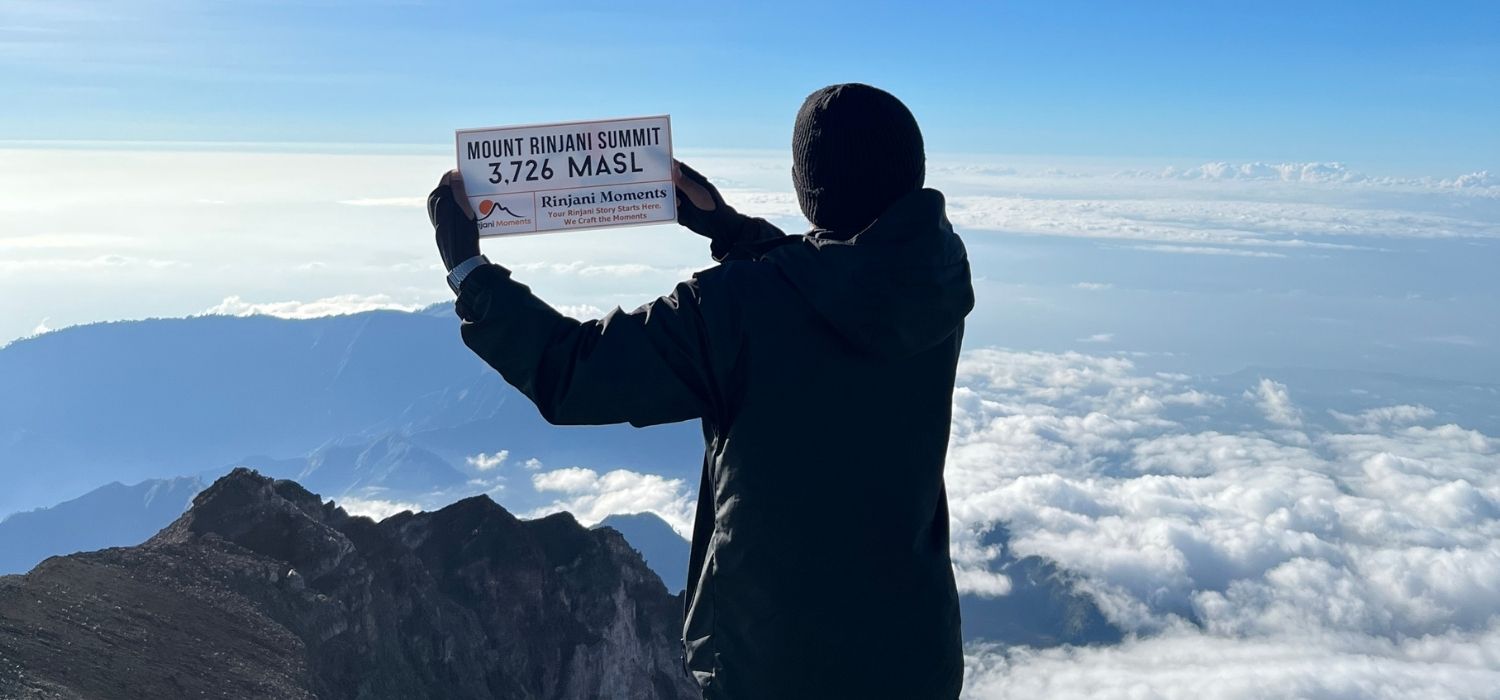
Located on Lombok Island, Indonesia, Mount Rinjani rises to 3,726 meters (12,224 feet) above sea level. Because of its elevation, weather conditions at the summit are significantly different from those in coastal Lombok.
Trekkers can experience:
- Warm and humid weather at the trailhead
- Cool temperatures at higher elevations
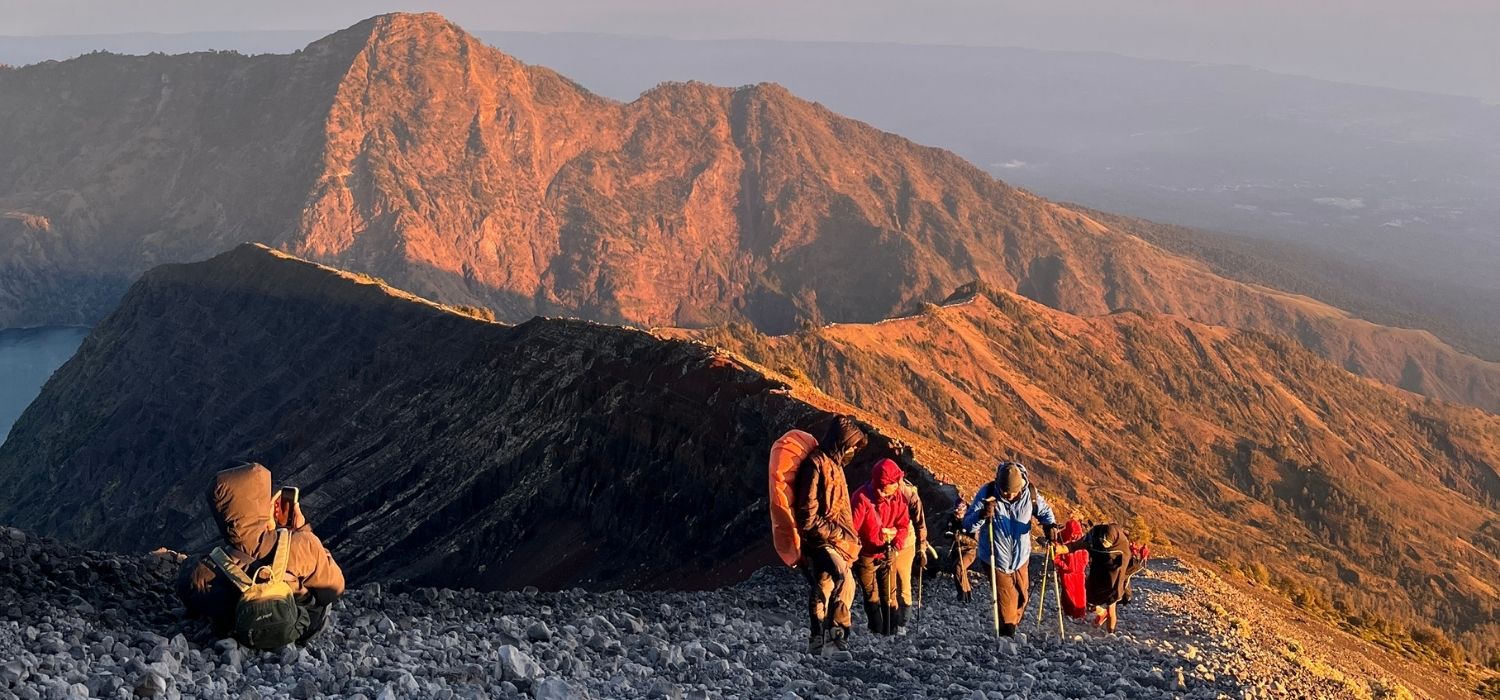
- Strong winds near the crater rim
- Cold mornings at the summit
- Sudden fog and cloud cover
The weather can vary dramatically within just a few hours of hiking.
Rinjani Dry Season (Best Trekking Season)
The dry season is generally considered the best time to trek Mount Rinjani.
Dry Season Months
April to November
During these months, hikers can enjoy:
- Clear mountain views
- Lower rainfall
- Safer trail conditions
- Better sunrise and sunset visibility
- More stable trekking weather
Temperatures remain comfortable during the day, while nights at the crater rim can become quite cold.
Average Conditions During Dry Season
| Location | Day Temperature | Night Temperature |
|---|---|---|
|
Sembalun Village |
20°C – 30°C |
15°C – 20°C |
|
Crater Rim |
10°C – 18°C |
5°C – 10°C |
|
Summit |
5°C – 12°C |
0°C – 5°C |
The months of June, July, August, and September are especially popular among international trekkers due to consistently favorable weather.
Rinjani Rainy Season
Rainy Season Months
December to March
During the rainy season, Mount Rinjani receives significantly more rainfall.
Weather conditions may include:
- Heavy afternoon showers
- Slippery trekking trails
- Reduced visibility
- Increased risk of landslides
- Stronger winds at higher elevations
For safety reasons, the national park often closes trekking routes during parts of the rainy season.
Visitors should always check official park announcements before planning a trip.
Rinjani Weather by Month
January – February
- Peak rainy season
- Frequent rainfall
- Cloudy summit views
- Trekking routes often closed
March
- Transition period
- Rain gradually decreases
- Trail conditions begin improving
April
- Beginning of trekking season
- Greener landscapes
- Pleasant temperatures
May
- Excellent trekking weather
- Clear skies become more frequent
- Moderate visitor numbers
June – August
- Peak hiking season
- Best summit visibility
- Cool temperatures at night
- Popular among international travelers
September
- Stable weather conditions
- Fewer crowds than August
- Excellent photography opportunities
October
- Comfortable trekking temperatures
- Good visibility
- Ideal for multi-day treks
November
- End of dry season
- Occasional rainfall begins
December
- Rainy season starts
- Weather becomes unpredictable
How Cold Is the Rinjani Summit?
Many trekkers are surprised by how cold Mount Rinjani can feel, especially before sunrise. At the summit, temperatures can drop to: 0°C to 5°C (32°F to 41°F)
Combined with strong mountain winds, the perceived temperature may feel even colder. Essential warm clothing includes:
- Thermal base layers
- Insulated jacket
- Gloves
- Beanie or warm hat
- Windproof outer layer
Proper clothing can significantly improve your summit experience.
What Time of Day Has the Best Weather on Rinjani?
Generally:
Early Morning
- Clearest skies
- Best sunrise views
- Lowest temperatures
Midday
- Warmest conditions
- Increased cloud formation
Afternoon
- Higher chance of fog and clouds
- Occasional rain showers
Evening
- Cooler temperatures
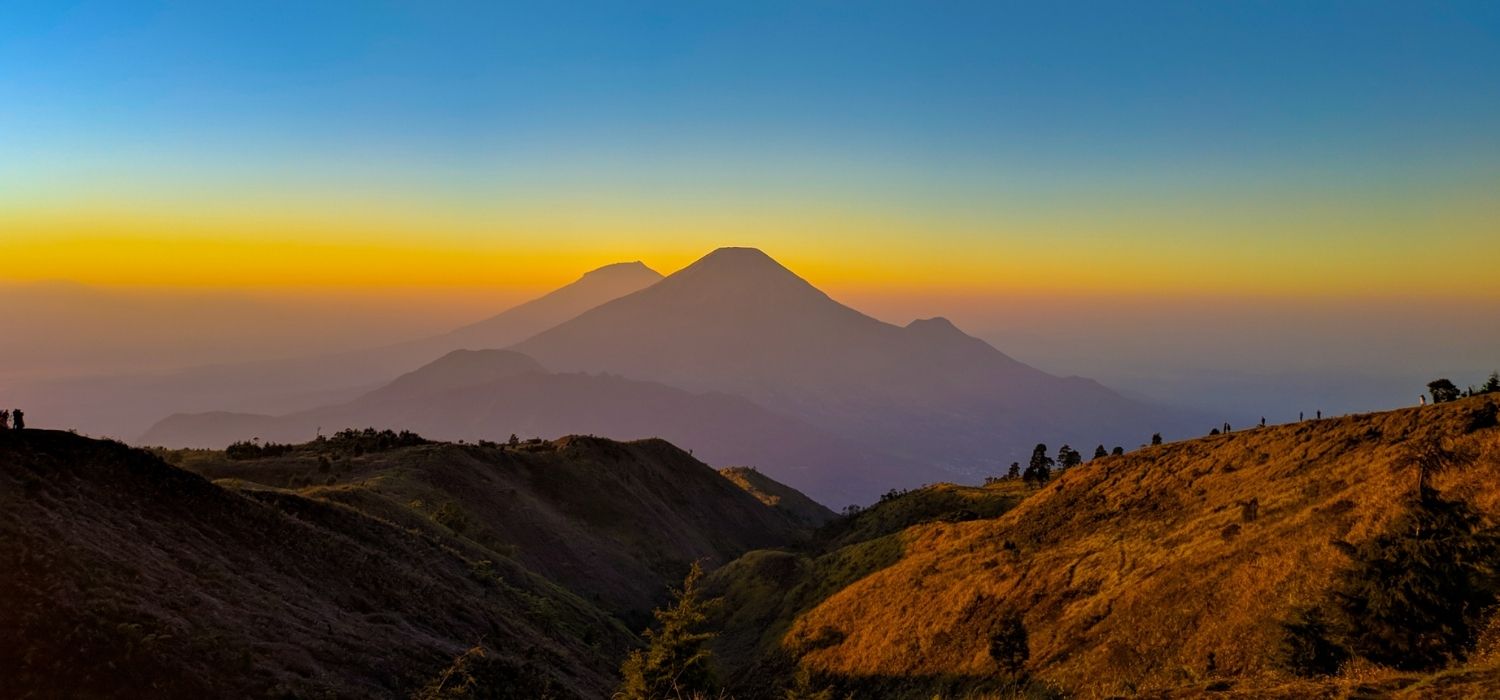
- Beautiful sunset views from the crater rim
Most summit attempts begin around 2:00–3:00 AM to reach the peak before sunrise.
How to Prepare for Changing Weather on Mount Rinjani
Mountain weather can change quickly, even during the dry season.
To stay comfortable and safe:
Pack Waterproof Gear
Bring:
- Rain jacket
- Waterproof backpack cover
- Dry bags for electronics
- Dress in Layers
Layering allows you to adjust to changing temperatures throughout the trek.
Stay Hydrated
High-altitude hiking and tropical temperatures can increase dehydration risk.
Follow Local Guides
Experienced guides monitor weather conditions and know how to respond to sudden changes.
Best Time to Trek Mount Rinjani
For most travelers, the ideal trekking months are:
Recommended Months
- May
- June
- July
- August
- September
- October
These months typically offer:
- Dry trails
- Clear summit views
- Comfortable trekking conditions
- Safer mountain access
If your goal is photography, summit sunrise views, and crater lake scenery, the dry season provides the best opportunities.
Why Weather Matters for Your Rinjani Trek
Weather plays a major role in determining:
- Trekking safety
- Summit success rates
- Visibility
- Trail conditions
- Overall trekking experience
Choosing the right season can make the difference between a challenging hike and an unforgettable adventure.
Trek Mount Rinjani with Rinjani Moments
At Rinjani Moments, we provide professionally guided trekking experiences designed to help you enjoy Mount Rinjani safely and comfortably in all suitable weather conditions.
Our local guides monitor mountain forecasts, trail conditions, and seasonal changes to ensure every trek is conducted with safety as the top priority.
Whether you’re planning a 2D1N Summit Trek, 3D2N Crater Lake Adventure, or a complete 4D3N Rinjani Experience, our team is ready to help you choose the best dates based on current weather conditions.
In this article
Planning a Trip to Rinjani? Make an Inquiry
Planning a Trip to Rinjani? Make an Inquiry
Share with your Friends
Related articles
Read more from our Trekking blog.